Small Dogs, Big Mess: Why Size Doesn't Matter in Yard Care
You might think that owning a five-pound Yorkie gives you a free pass on yard maintenance. After all, how much trouble can a creature the size of a toaster really cause? On the flip side, if you own a Great Dane, you’ve likely accepted that your backyard is a biological hazard zone. The truth is, whether you’re managing a fleet of tiny terrors or one massive "horse-dog," the mess adds up faster than you think.
Yard cleanliness isn't just about the visual, it’s about the health of your grass, the safety of your family, and the sanity of your neighbors. At DookieDocs, we’ve seen it all. From the hidden "landmines" of small breeds to the massive "craters" left by large breeds, the conclusion is always the same: neglect is a recipe for a ruined lawn.
Do small dogs really cause as many yard problems as large breeds?
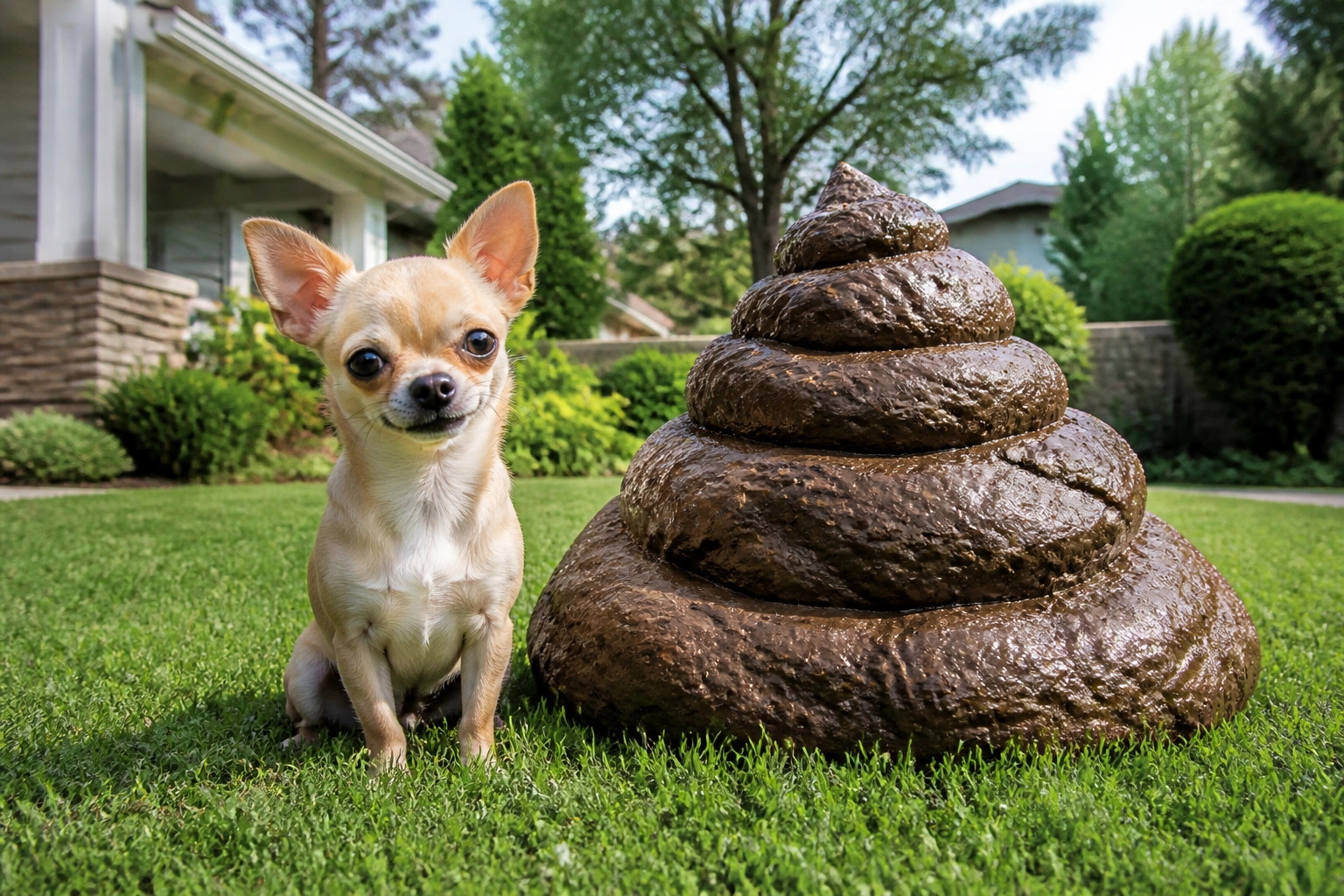
There is a common misconception among dog owners that small dogs equals small problems. We call this the "Small Dog Myth." While it’s true that a Chihuahua doesn't leave the same physical footprint as a Mastiff, they are often more prolific. Small dogs tend to have faster metabolisms, which means more frequent trips to the bathroom.
Because the waste is smaller, many owners think they can let it go for a few weeks. This is a mistake. Smaller waste dries out faster, breaks down into the thatch of your grass, and becomes nearly impossible to find, until you step on it with a flip-flop. These "hidden" messes are often more frustrating because they blend into the scenery, waiting for a victim.
If you have multiple small dogs, the math becomes even scarier. Three small dogs can easily outperform one large dog in terms of total volume and coverage area. Your yard effectively becomes a minefield where every square inch is a potential hazard.
The Nitrogen Bomb: Large Breeds vs. Your Lawn
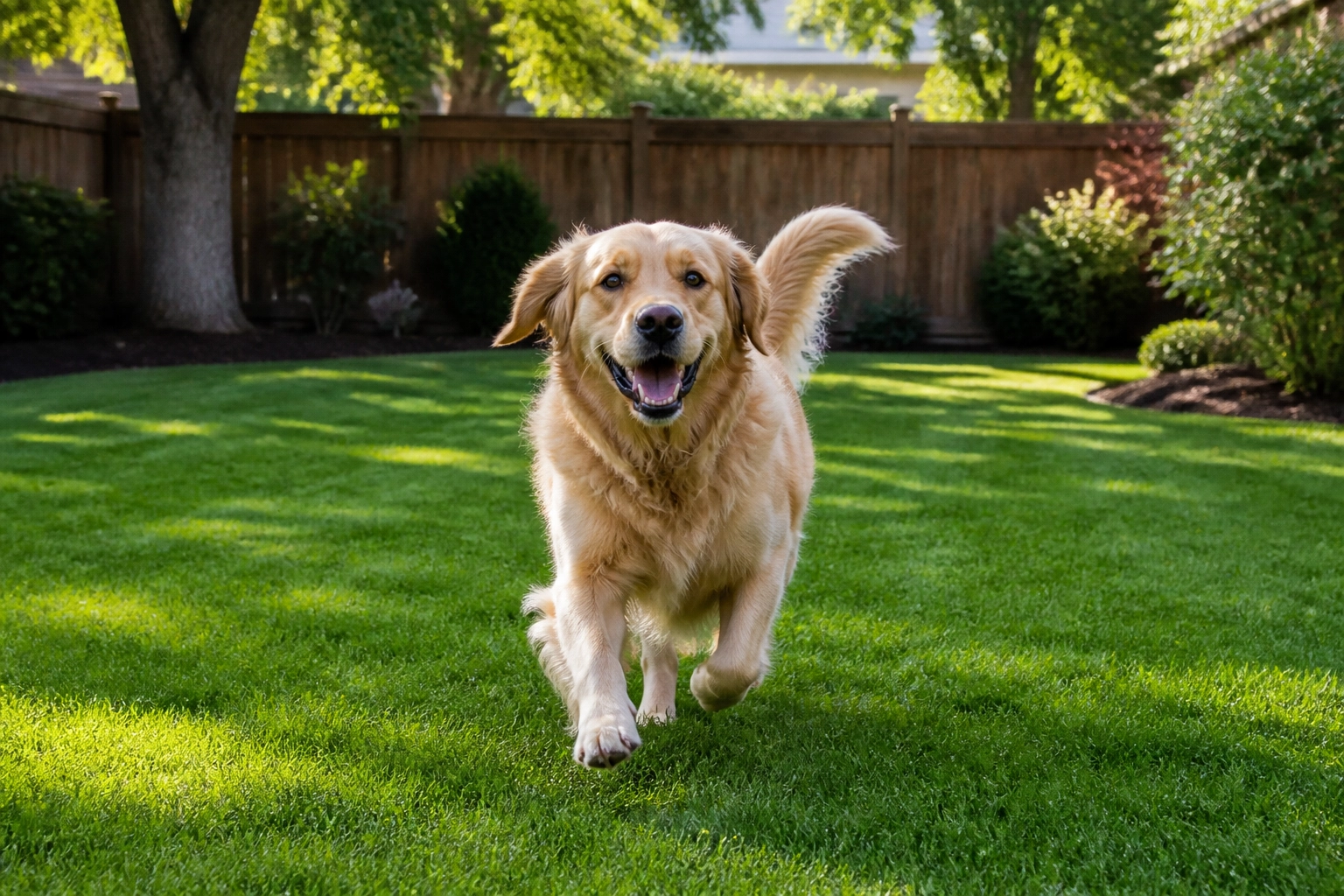
For those with large breeds, the problem is different but equally destructive. A large dog’s waste is essentially a high-concentrate nitrogen bomb. While nitrogen is a key ingredient in many fertilizers, too much of it in one concentrated spot will "burn" the grass, leaving those ugly yellow and brown patches that ruin your curb appeal.
Unlike small dogs, large breed waste doesn't just disappear into the grass. It sits on top, suffocating the blades and creating a breeding ground for flies and odors. If you aren't performing regular dog poop removal, you’re essentially inviting a miniature ecosystem of pests into your backyard.
Large dogs also tend to produce waste that is much harder to "rinse away" with the rain. In the Capital Region, our weather can turn a large mess into a soggy disaster in minutes. Once it rains, that waste becomes a slurry that seeps into the soil, carrying bacteria deep into the ground where it can linger for months.
Multi-Dog Households: The Exponential Chaos
If you have more than one dog, your yard care needs don't just double; they grow exponentially. When dogs live in a pack, they often mark the same areas or follow each other’s scents. This leads to "hotspots", areas of your yard that receive 90% of the traffic.
In a multi-dog household, the speed of accumulation is the real enemy. What was a clean yard on Monday can be completely unusable by Wednesday afternoon. This is especially true if you have children who want to run and play.
Managing multiple dogs requires a tactical approach to yard cleanliness. You need to identify those hotspots and ensure they are cleaned daily. If that sounds like a full-time job, it’s because it is. That’s exactly what our weekly pet waste removal service handles — consistent visits so hotspots never become health hazards. That’s why many multi-dog owners in the Capital Region rely on professional services to keep their outdoor spaces functional.
Step 01: Establish a Perimeter Scan
If you're managing the yard between professional visits from DookieDocs, the best thing you can do is a "perimeter scan" every 48 hours. Start from the back door and work your way in a grid pattern. Don't just look for the big stuff, keep an eye out for the smaller, hidden messes that tend to get buried under leaves or in tall grass.
Consistency is the key here. If you let it pile up for a week, the task becomes overwhelming, and you’re more likely to miss things. A quick five-minute scan every other day keeps the yard safe for the kids and prevents the grass from suffering permanent damage.
Step 02: Use the Right Tools for the Job
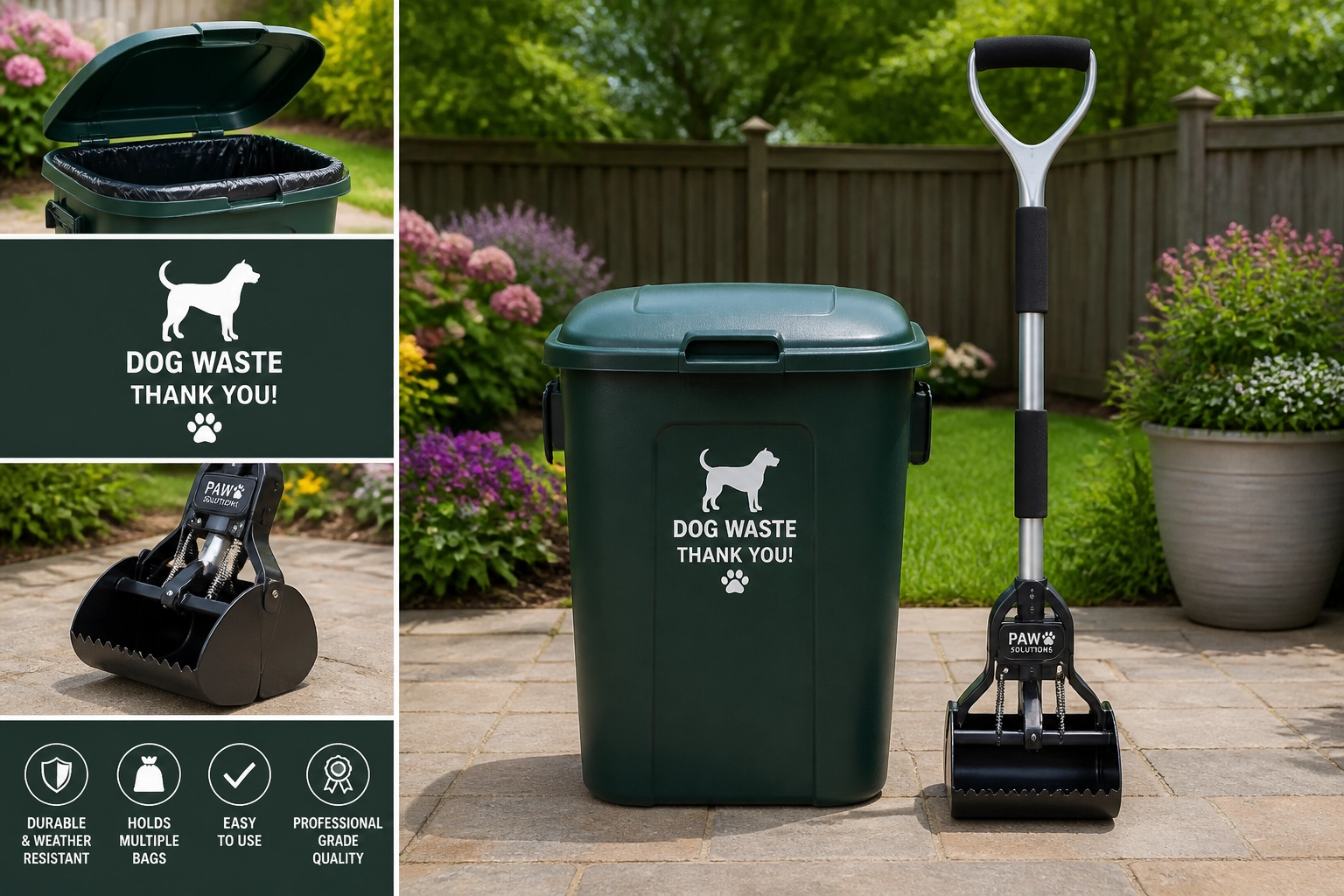
Forget the flimsy grocery store bags. If you’re serious about yard cleanliness, you need the right gear.
- A Rake and Bin System: Best for grassy surfaces. The rake allows you to lift the waste without tearing up the grass.
- A Spring-Loaded Scooper: Ideal for one-handed operation if you're multitasking or just want to move quickly.
- Sealed Waste Bins: Don't just throw it in your regular kitchen trash. Invest in a dedicated outdoor bin with a charcoal filter to neutralize odors.
Having these tools ready to go makes the "in-between" maintenance much less of a chore. If you have to go hunting for a bag every time your dog goes out, you’re going to skip it. Keep your tools in a dedicated spot near the back door.
The Invisible Threat: Parasites and Bacteria
It’s not just about the smell or the sight. Dog waste is a primary carrier for several harmful pathogens that can affect both humans and other pets. Common culprits include: 1. E. coli and Salmonella: Bacteria that can cause severe intestinal distress. 2. Hookworms and Roundworms: Parasites that can live in your soil for years. 3. Parvovirus: A highly contagious and potentially fatal virus for other dogs.
This is why our Yard Sanitizing service is so popular. Even after the physical waste is gone, the microscopic threats remain. We use specialized treatments to eliminate these hazards, ensuring your yard is actually clean, not just "visually" clean.
FAQ: Everything You’re Wondering About
Do I need to be home when you visit? Nope! As long as we have access to your yard, you can go about your day. We’ll text you the photo proof when we’re done.
What happens if it rains? We work through most weather conditions. If it’s truly unsafe or impossible to provide a quality clean, we’ll reschedule immediately to ensure your yard stays on track.
Can you clean with my dog in the yard? We love dogs! If your dog is friendly and comfortable with strangers, they can hang out with us. If they are protective or prone to "helping" a little too much, we ask that you keep them inside during the visit.
How do I pay? Everything is handled through our secure online portal. No chasing down checks or leaving cash under the mat.