Tackling the Seasonal Mess: Fall and Winter Yard Care
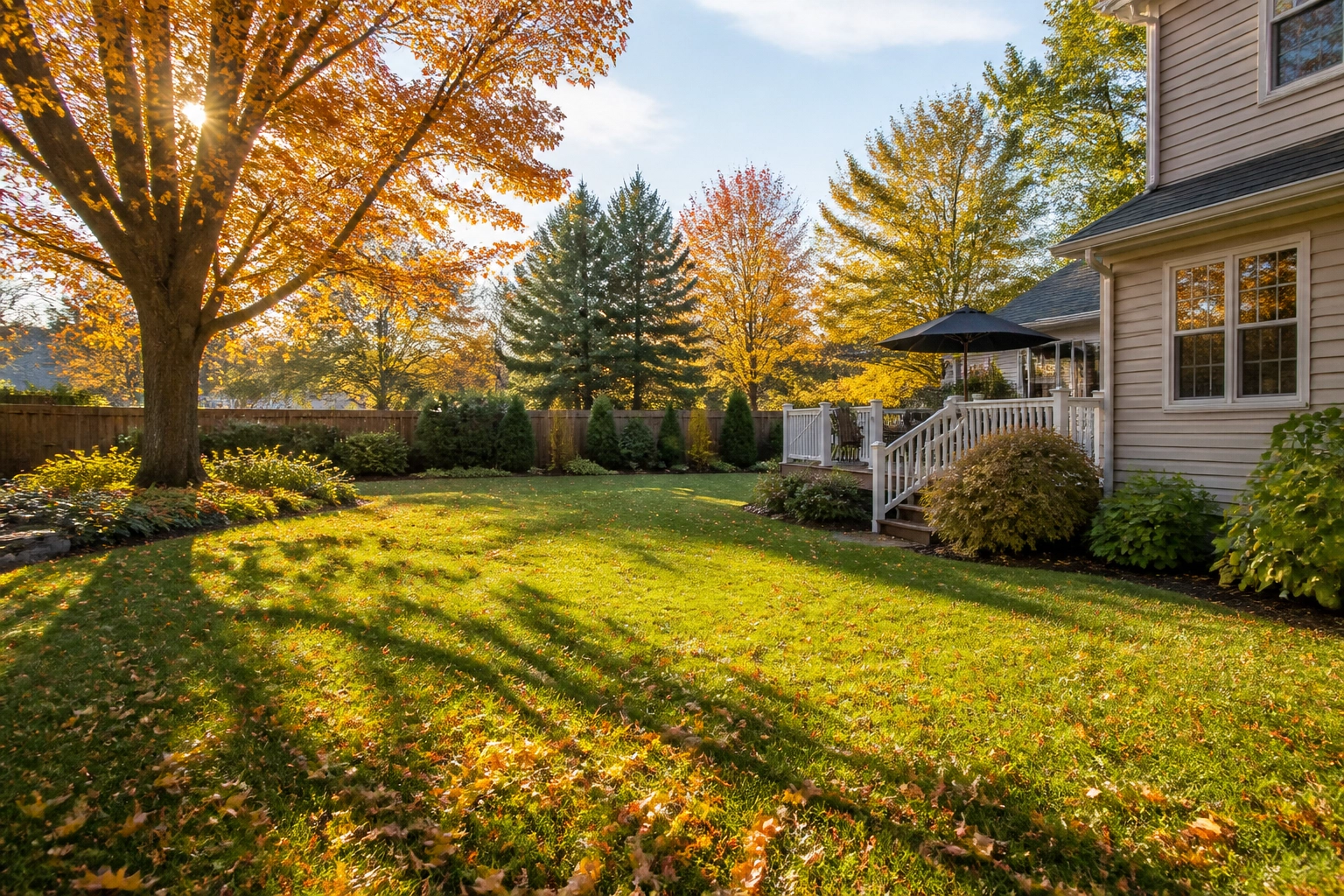
Maintaining a clean yard in the Capital Region is a year-round job. As the leaves turn from vibrant reds to crunchy browns and the first snowflakes begin to fall in Albany, your backyard changes. Unfortunately, your dog’s bathroom habits don’t. Fall and winter present unique challenges for pet owners that go beyond just shivering in the cold.
When the weather turns, many homeowners are tempted to "let it go" until spring. It’s a common mistake. Neglecting pet waste during the colder months creates a compounding problem that affects your yard’s health and your family’s safety. At DookieDocs, we specialize in managing these seasonal transitions so you don't have to face the mess alone.
How do fall leaves make dog waste cleanup harder and more damaging?
Autumn in New York is beautiful until the leaves hit the ground. For dog owners, those colorful piles aren't just for jumping in; they are giant covers for pet waste. As leaves accumulate, they create a thick layer that hides waste from plain sight. You walk out to play with your pup and, crunch, you’ve stepped in a hidden "landmine."
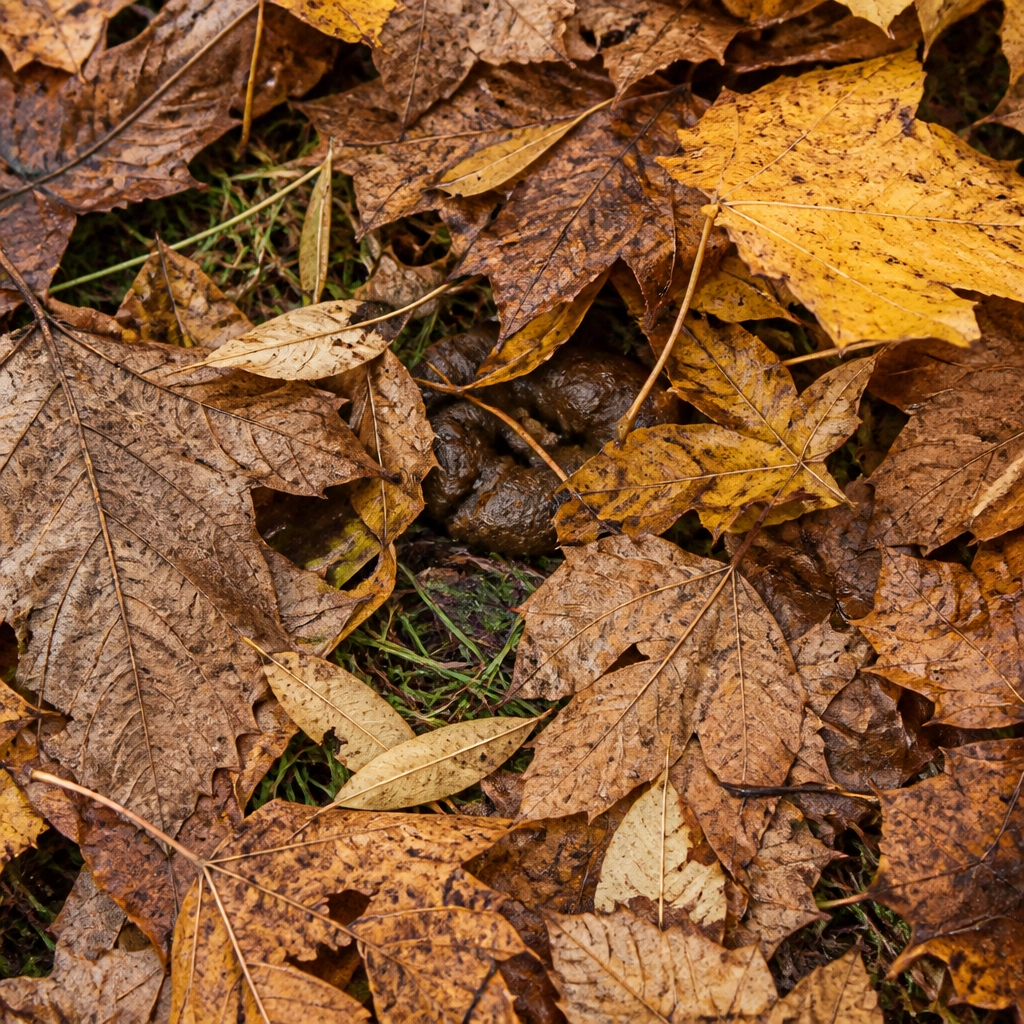
Leaving waste under leaf cover is a recipe for lawn damage. Dog waste is highly acidic. When it’s trapped under a wet, heavy layer of leaves, it creates a "hot spot" that kills your grass and prevents healthy growth in the spring. This environment also becomes a breeding ground for mold and fungi.
Our team doesn't just scoop the surface. We are trained to look beneath the foliage. We ensure that your yard is clear before the first frost sets in, preventing that waste from being pressed into the soil by heavy rains or early snow.
Winter: The Season of Hidden Surprises
Winter brings a whole new set of problems. In the Capital Region, we are used to heavy snowfall. But for a dog owner, every inch of snow acts like a fresh coat of paint over a messy canvas. Your dog does their business, a few flakes fall, and suddenly the waste is invisible. This cycle repeats all winter long.
What you end up with is a "poop-sicle" lasagna, layers of waste and snow stacked on top of each other. It might seem out of sight, out of mind, but it’s still there. If you wait until the spring melt to clean it up, you are looking at a massive, soggy, and hazardous project.
Professional pet waste removal doesn’t stop because it’s cold. Our weekly pet waste removal service runs year-round — we work through the snow to find and remove waste before it becomes a permanent part of your yard’s winter landscape. By keeping up with a regular schedule, you avoid the "Spring Thaw Surprise" that leaves your yard smelling like a kennel the moment the sun comes out.
Why Cold Doesn't Kill Bacteria
A common myth is that freezing temperatures kill off the germs in dog waste. This is simply not true. While the waste might freeze solid, the harmful pathogens inside, like E. coli, Salmonella, and roundworms, go into a dormant state. They are essentially preserved.
When the ground thaws, these parasites and bacteria become active again. They can wash into the local groundwater or be tracked into your house on paws and boots. This is why our Yard Sanitizing service is so critical during the transition months. We don't just remove the physical waste; we treat the area to neutralize the microscopic threats that survived the winter.
Maintaining a clean yard isn't just about aesthetics. It's about health. Keeping your yard clear in the winter ensures that your family is stepping onto safe ground once the spring gardening season begins.
The "Spring Thaw" Disaster
We’ve all seen it. The snow finally melts, the first green grass starts to peek through, and suddenly, you see dozens of piles that were hidden for months. This is the "Spring Thaw" disaster. It’s a messy, smelly, and overwhelming sight for any homeowner.
Cleaning this up yourself is a nightmare. The waste is often soggy, integrated into the mud, and spread across the entire property. This is where most people realize they should have called a dog poop scooper service months ago.
By starting with DookieDocs in the fall or winter, you bypass this disaster entirely. Your yard stays clean, your grass stays healthy, and you can actually enjoy the first warm days of spring without a shovel and a heavy-duty trash bag.
Common Questions About Seasonal Cleanup
Do you really scoop in the snow? Yes! As long as it is safe to drive, we are out there. We can find waste even under a light layer of snow. If the snow is too deep to see anything, we will work with you to reschedule as soon as the conditions improve.
What happens if I have a "contract-free" plan? You have total flexibility. You can pause your service if you’re heading south for the winter or increase the frequency if you have guests coming over. There are no long-term commitments.
Is yard sanitizing safe for my dog in the winter? Absolutely. Our sanitizing and deodorizing products are pet-friendly and specifically chosen for their effectiveness in various temperatures. They help keep your yard a "no-fly zone" for bacteria year-round.
How do I get started? Getting started is the easiest part. You don't need to sign any complex documents. Just give us a call or visit our website to set up your first visit.