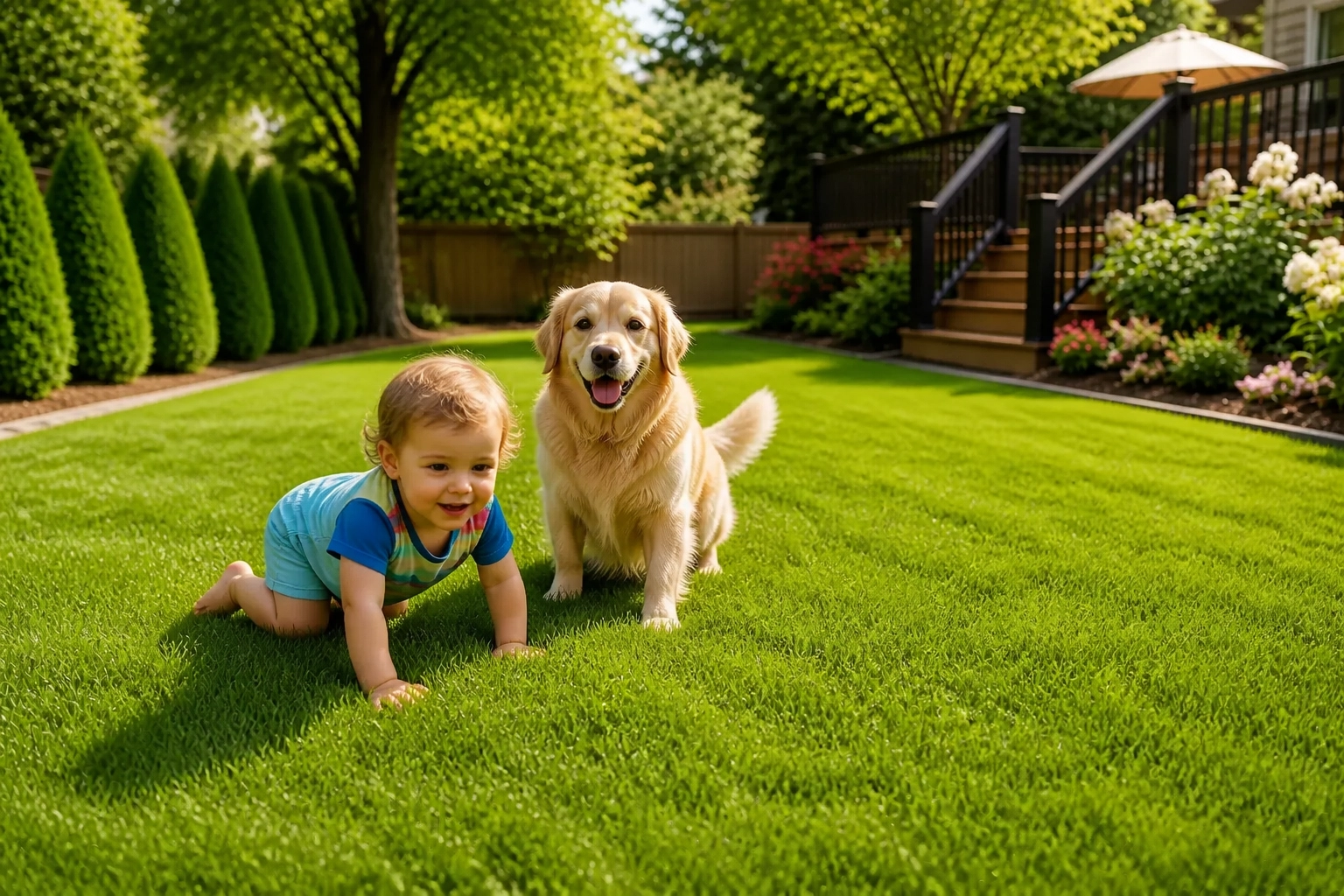
Safe Play Zones: Protecting Your Family from Yard Germs
Your backyard should be a sanctuary. It’s the place where your kids learn to crawl, where your toddlers host imaginary tea parties, and where your Saturday afternoon naps happen. But if you own a dog, that lush green grass might be hiding more than just a stray tennis ball. It could be hosting a microscopic party that you definitely weren't invited to.
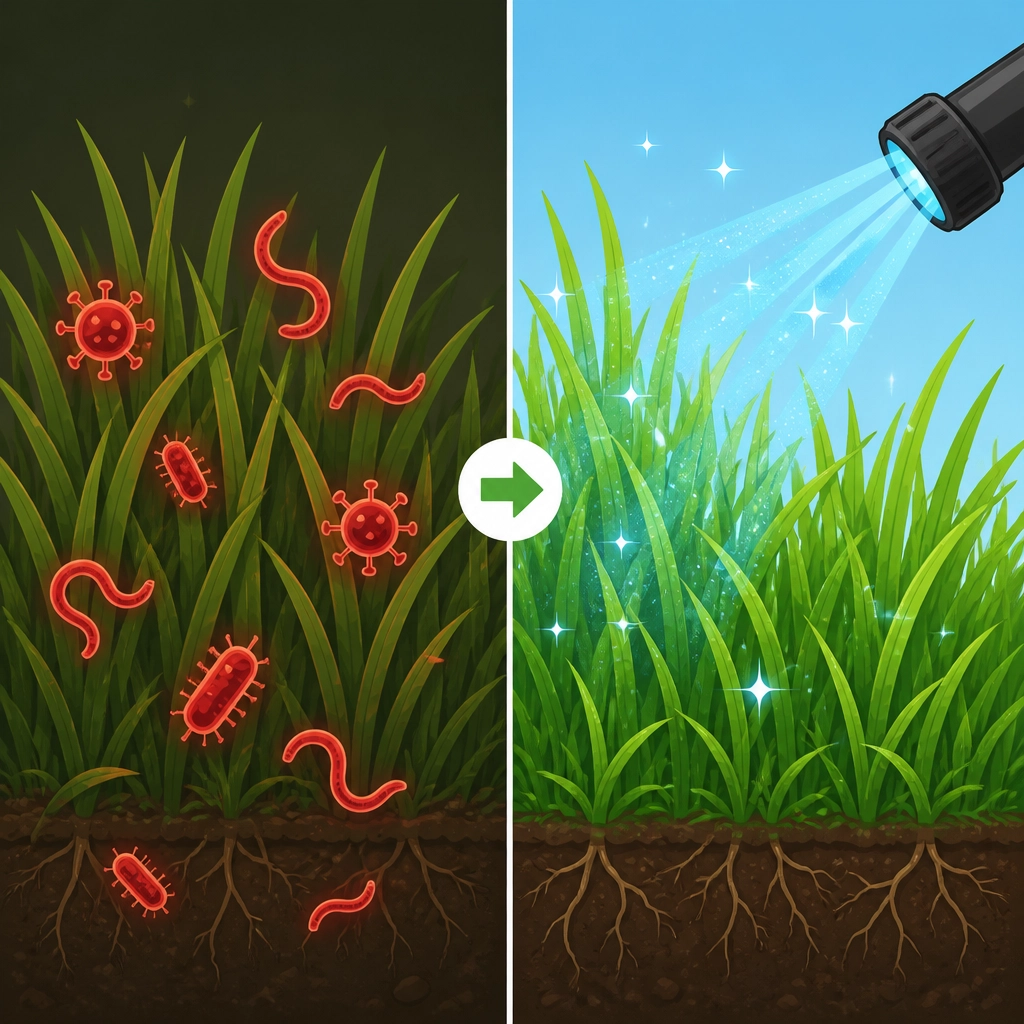
We aren't just talking about the "gross factor" of stepping in a fresh pile of poop. We're talking about the invisible health risks that linger long after the physical waste is gone. At DookieDocs, we specialize in turning "danger zones" into "safe play zones" through professional dog waste disposal and specialized yard sanitizing and deodorizing services.
What bacteria and parasites are actually hiding in my backyard grass?
You see a lawn. A scientist sees a petri dish. Dog waste isn't just organic fertilizer; in fact, it’s actually toxic to your grass and your health. When dog waste sits, it releases pathogens into the soil. These are called zoonotic diseases, illnesses that can jump from animals to humans.
The scary part? These germs don't just disappear when the poop dries up or gets washed away by the rain. Rain actually makes it worse by spreading the bacteria across the entire yard.
- Roundworms: These parasites are incredibly hardy. Their eggs can live in your soil for years. If a child touches the dirt and then their mouth, they can become infected.
- Salmonella and E. coli: These classic "food poisoning" bacteria are frequently found in canine waste. They cause severe stomach issues, fever, and dehydration.
- Giardia: This microscopic parasite causes significant gastrointestinal distress and can be easily transmitted to humans through contaminated environments.
Why Your Kids Are the Biggest Targets
Kids don't just play in the yard. They live in it. They roll in the grass. They dig in the dirt. They play "the floor is lava" and then immediately put their hands in their mouths to eat a juice box. This "hand-to-mouth" behavior is exactly how zoonotic diseases find a new home.
Children's immune systems are still developing. This makes them more susceptible to the health risks associated with lingering bacteria and parasites. A "clean-looking" yard isn't necessarily a safe yard. Even if you’ve picked up the big stuff, the microscopic remnants are still there, clinging to the blades of grass and soaking into the topsoil.
Frequently Asked Questions
Is the sanitizer safe for my dog? Yes! We use a professional-grade, pet-safe disinfectant. Once the application has dried (usually within 15-30 minutes), it is completely safe for pets and children to play on the grass.
How often should I have my yard sanitized? For families with young children or multiple dogs, we recommend sanitizing at least once a month. This ensures that any bacterial buildup is neutralized before it becomes a health risk.
What if it rains right after you spray? Our sanitizing solution is designed to absorb into the soil and grass quickly. However, if there is a massive downpour immediately after our visit, just let us know. We stand by our satisfaction guarantee.
Do I need to be home for the service? Not at all. As long as our technicians have access to your yard, we can perform the full dog waste disposal and sanitizing service while you’re at work or running errands. We’ll text you the photo proof when we’re done!
How do I get started? It’s easy. There are no long forms to fill out. Just give us a shout, and we can set up your first visit.