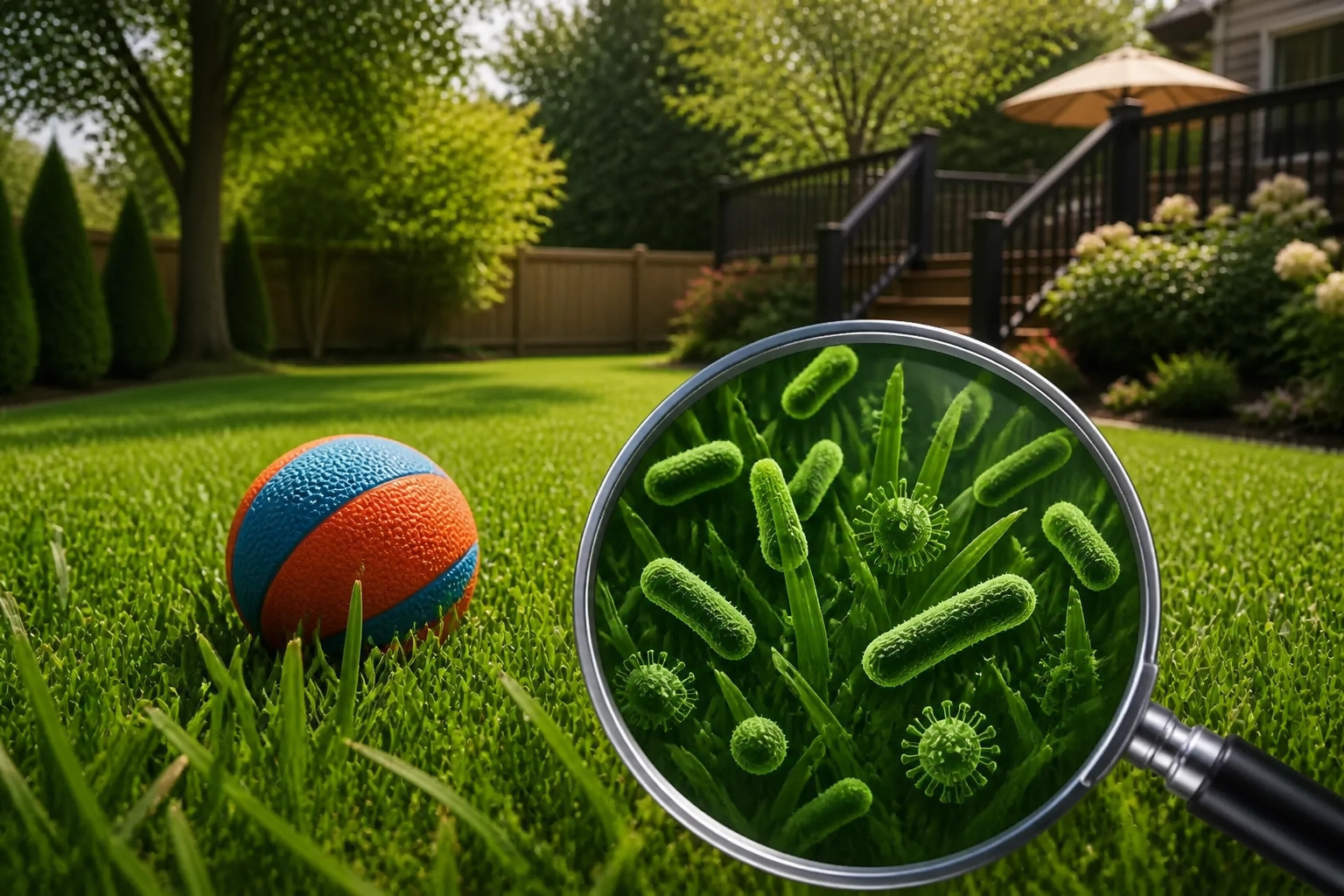
The Hidden Dangers Lurking in Your Lawn
Your Backyard. Sanitized. Guaranteed.
You love your dog. You love your yard. But let’s be honest: you definitely don’t love the "presents" your furry friend leaves behind. While it might seem like a minor inconvenience, a smelly landmine to step around, the reality is much more serious. That pile of waste isn't just an eyesore; it’s a biological hazard.
At DookieDocs, we believe your yard should be a sanctuary, not a biohazard zone. We provide professional pet waste removal for homeowners across the Capital Region because we know that "letting nature take its course" is actually a recipe for disaster.
If you’re tired of the DIY scoop or, worse, letting the waste pile up, it’s time to look at what’s actually happening beneath the surface of your grass.
What harmful bacteria does dog waste leave behind in yard soil?
When you look at a pile of dog waste, you see a mess. When a scientist looks at it, they see a thriving metropolis of bacteria. Just one single gram of dog poop, roughly the weight of a paperclip, contains an estimated 23 million fecal coliform bacteria.
That is twice the amount found in human waste. When these piles sit in your yard, they don't just "go away." They break down and leach into the soil. Common bacteria found in residential yards include:
- E. coli: Can cause severe abdominal cramps, diarrhea, and vomiting.
- Salmonella: Leads to fever, chills, and stomach upset that can last for days.
- Campylobacter: A common cause of intestinal infections that can be particularly hard on puppies and young children.
These aren't just "stomach aches" waiting to happen. For the elderly or those with weakened immune systems, these pathogens can lead to serious health complications. Pet waste removal isn't just about a clean lawn; it's about public health.
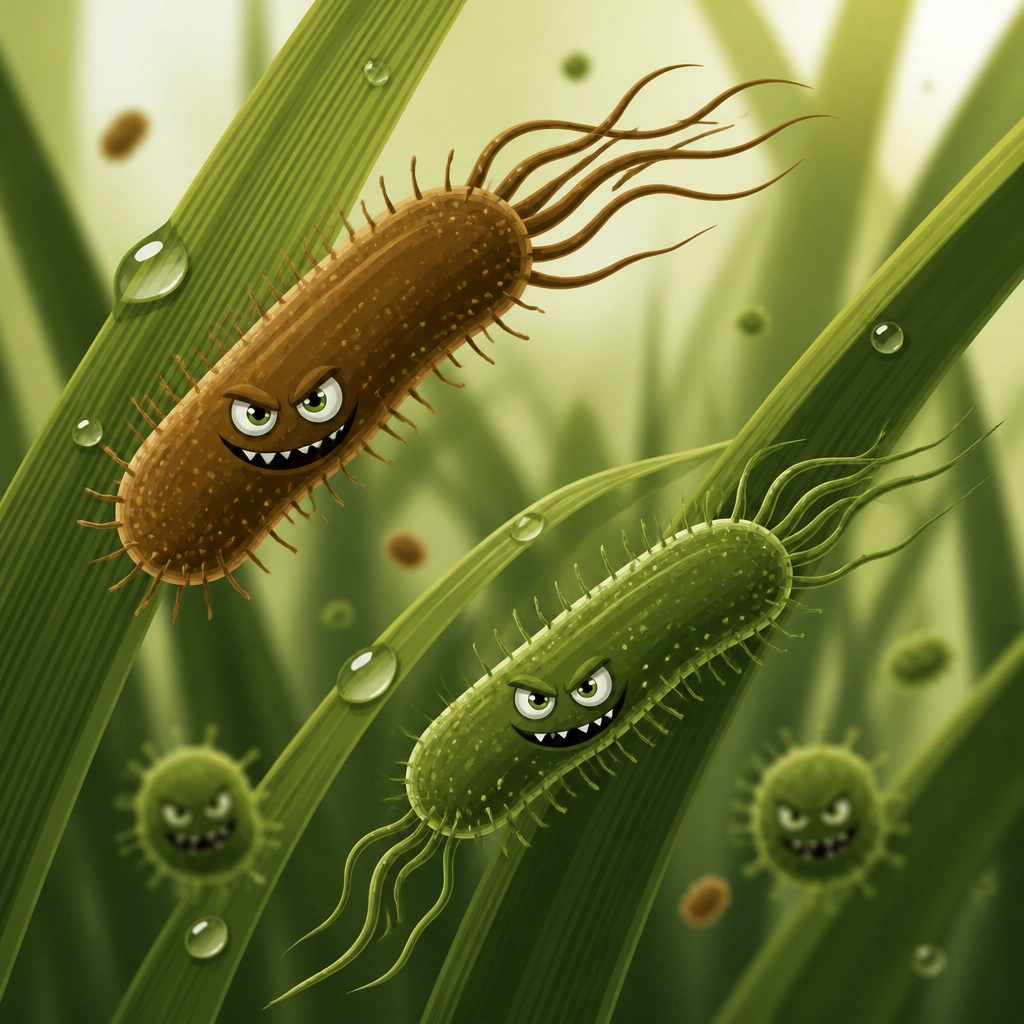
What parasites can survive in my lawn soil after I remove dog poop?
If bacteria weren't enough to make you reach for the phone, let’s talk about parasites. Many common parasites can live in the soil of your yard for years after the waste has been removed if it wasn't handled properly.
Roundworms and Hookworms are the most common offenders. Their eggs are shed in a dog's stool and can survive in your soil through New York winters and summer heatwaves alike. When your kids play in the grass or your dog licks their paws after a walk, they can easily ingest these microscopic eggs.
Then there’s Giardia and Coccidia, protozoa that love the moist environment of a shaded backyard. These can cause chronic diarrhea and weight loss in pets and are notoriously difficult to clear out once they’ve established a presence in your lawn. This is why our specialized yard sanitizing and deodorizing is a must-have for families with young children.
Why "Natural Fertilizer" is a Dangerous Myth
One of the biggest misconceptions we hear at DookieDocs is that dog waste is "natural fertilizer" for the grass. This couldn't be further from the truth. Unlike cow manure, which comes from plant-eating animals, dogs have a protein-rich diet.
This results in waste that is highly acidic and packed with nitrogen. Instead of helping your grass grow, it actually creates "nitrogen burn," leaving those unsightly yellow or brown dead spots in your beautiful lawn.
Furthermore, because dog waste is so acidic, it doesn't break down quickly. It can take up to a year for a single pile to fully decompose on its own. During that time, it’s a buffet for flies, rodents, and other pests you definitely don't want near your home. Proper dog waste disposal is the only way to keep your lawn healthy and green.
Protecting the Capital Region Water Supply
When it rains in Albany, Troy, or Saratoga — including communities like pet waste removal in Saratoga Springs where local waterways are especially visible — that water doesn't just vanish. It runs off your lawn, into the storm drains, and eventually into our local creeks, rivers, and the Hudson. When your yard is full of dog waste, that runoff carries bacteria and nitrogen directly into our water systems.
Excess nitrogen in our waterways leads to algae blooms that choke out oxygen and kill fish. By hiring a professional dog waste disposal service, you are doing your part to keep the Capital Region’s environment clean and safe for everyone. We double-bag all waste and keep it securely contained, ensuring it never ends up in our local ecosystem — placed in your own trash bin by default, or hauled off-site at no extra charge if you prefer.
Frequently Asked Questions
Do I need to be home when you service the yard? Nope! As long as we have access to your yard, we can handle the dirty work while you’re at work or running errands. We’ll send you a photo proof once we’re finished.
What happens if it rains? We work through most weather conditions. If it’s a light rain, we’re out there. If there is severe weather or heavy snow, we’ll reschedule for the next safest day to ensure we don't miss anything.
Is your yard sanitizer safe for my pets? Absolutely. We use professional-grade sanitizers chosen to be safe for pets and kids once the treated area is dry. We just ask that you keep the pups inside for a few minutes while the treatment dries.
How often should I have my yard scooped? Most of our customers find that once-a-week service is the "sweet spot" for maintaining a clean yard, but we offer bi-weekly and twice-a-week options depending on how many dogs you have.